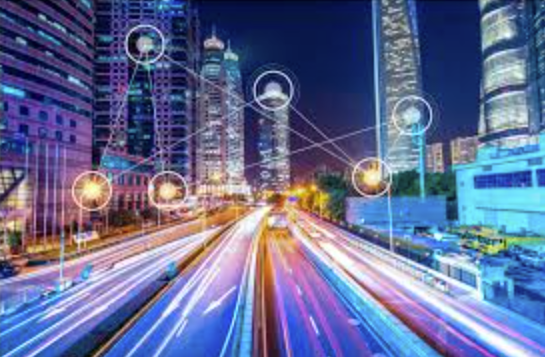
The integration of technology in smart cities is transforming urban landscapes. Advanced systems streamline essential services and optimize resource management, fostering increased efficiency. Innovations like IoT applications and smart grids are reshaping energy consumption and urban planning. As cities evolve, the role of citizen engagement through technology becomes increasingly significant. This prompts a critical examination of how these advancements can further enhance urban living and sustainability. What implications does this hold for future city development?
How IoT Enhancements Improve City Services
The integration of Internet of Things (IoT) technologies has the potential to revolutionize city services, enhancing efficiency and responsiveness across various sectors.
Smart transportation systems can optimize traffic flow and reduce congestion, while IoT-driven waste management solutions improve collection efficiency and resource allocation.
Together, these innovations foster sustainable urban environments, empowering citizens with the freedom to navigate and engage in their communities more effectively.
The Impact of Smart Grids on Energy Efficiency
Advancements in smart city infrastructure extend beyond IoT applications; smart grids represent a significant leap forward in energy management.
By enabling renewable integration, these grids facilitate a cleaner energy landscape while enhancing demand response capabilities.
This dynamic approach optimizes energy consumption, reduces waste, and empowers citizens to manage their usage more effectively, ultimately fostering a sustainable urban environment that champions both efficiency and autonomy.
Leveraging Data Analytics for Urban Planning
Data analytics serves as a transformative tool in urban planning, enabling cities to harness vast amounts of information for informed decision-making.
By utilizing data visualization and spatial analysis, urban planners can identify trends, optimize resource allocation, and enhance infrastructure development.
This innovative approach empowers communities to cultivate sustainable environments, ensuring that urban growth aligns with the aspirations of its residents, ultimately fostering a sense of freedom and connectivity.
See also: The Role of Technology in Scientific Research
Engaging Citizens Through Technology and Apps
Harnessing technology and mobile applications can significantly enhance citizen engagement in urban environments.
By facilitating real-time citizen feedback, these tools empower residents to voice their concerns and contribute to decision-making processes. Mobile engagement fosters a sense of community, encouraging active participation and collaboration.
As smart cities evolve, leveraging such platforms will be essential for creating inclusive, responsive, and vibrant urban spaces.
Conclusion
In conclusion, technology is not merely a tool but a transformative force in the evolution of smart cities. By enhancing services through IoT, optimizing energy consumption with smart grids, leveraging data for informed urban planning, and fostering citizen engagement via mobile applications, cities are becoming more sustainable, efficient, and vibrant. As urban environments continue to evolve, the integration of these technologies will be paramount, ensuring that cities not only meet the needs of today but also anticipate the challenges of tomorrow.


 By
By