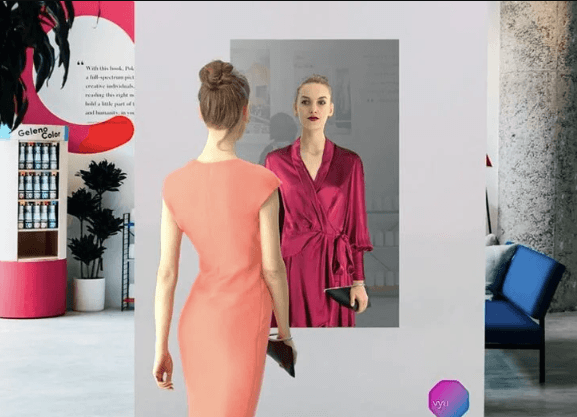
AR shopping in fashion blends digital visualization with real-world wearability, letting customers preview items in their own space before buying. The experience is guided by data on fit, color, and proportions, presented through mirrors, apps, and try-on tools. It emphasizes seamless, confident decisions and measurable returns. Platform choices, budgets, and use cases shape outcomes, while the impact on returns and satisfaction remains a key point. The next step reveals how to weigh these options effectively.
What AR Fashion Shopping Is and Why It Matters
Augmented reality (AR) fashion shopping enables consumers to visualize garments and accessories in their real environment without trying them on physically. AR fashion reshapes the shopping landscape by offering a seamless AR try on, enhancing consumer trust through transparent visualization. A growing virtual wardrobe concept supports retail innovation, empowering freedom-seeking shoppers to explore styles confidently and efficiently.
How AR Mirrors, Apps, and Try-On Shape the Experience
AR mirrors, apps, and try-on experiences are redefining how consumers explore fashion by delivering instant, visualization-driven feedback. They empower users with virtual styling and seamless experimentation, guided by data on fit, color, and proportions. Gesture controls streamline interaction, reducing friction and increasing engagement. The result is freedom to compare looks, personalize choices, and share outcomes with confidence.
How to Choose AR Tools for Your Wardrobe (Platform, Budget, Use Case)
Choosing the right AR tools for a wardrobe hinges on platform compatibility, budget constraints, and concrete use cases, with decisions grounded in how users plan to browse, try, and share outfits.
Platform selection shapes performance and accessibility, while budget planning aligns feature needs with wallet realities.
A data-informed approach clarifies needs, guiding intuitive, visually-driven choices that empower自由 exploration and personalized styling journeys.
Measuring Impact: How AR Reduces Returns and Boosts Confidence
How does AR reshape shopper confidence and reduce costly returns? The data-driven return reduction is measurable: closest-to-fit previews lower size misjudgments, while fabric and color accuracy cut post-purchase remorse. Consumer confidence uplift follows from transparent visualization, fit guidance, and worry-free try-ons. In practice, AR analytics quantify save rates, repeat visits, and satisfaction, guiding design toward freedom, clarity, and informed choices.
Frequently Asked Questions
How Does AR Address Size and Fit Across Brands?
AR technology enhances size consistency and fit accuracy by standardizing measurements, comparing across brands, and leveraging model-based sizing data; it offers users a visually driven, data-informed tool that supports personal freedom in online apparel choices.
Can AR Shopping Personalize Style Recommendations in Real Time?
Yes, AR shopping can personalize style recommendations in real time. It relies on personalization algorithms and real time styling cues, delivering visually-driven, data-informed guidance that respects user freedom while remaining user-focused and contextually engaging, like hitting the mark.
What Data Privacy Considerations Come With AR Try-Ons?
Data privacy considerations include minimizing data collection and securing consent management, ensuring users control what is collected during AR try-ons. The approach emphasizes transparent data practices, user empowerment, and clear rights while preserving freedom to explore visually driven options.
See also: The Role of Technology in Smart Manufacturing
How Does AR Handle Complex Fabrics and Draping Visuals?
Recent studies show 62% of users engage longer when visuals react to fabric weight. AR handles complex fabrics and draping visuals by physics-based simulation, texture mapping, and real-time shading, delivering convincing, user-focused experiences that emphasize freedom and tactile intuition.
What ARe Accessibility Options for AR Fashion Experiences?
Accessible navigation and screen reader support are essential for AR fashion experiences, enabling inclusive exploration of visuals and data-driven details. The user-focused, visually-driven interface supports freedom-seeking individuals, ensuring equitable access while maintaining engaging, high-fidelity fashion storytelling.
Conclusion
AR fashion shopping blends screen-spark and shelf-realism, guiding decisions with data while inviting personal taste. Juxtaposing fleeting impulse with precise fit, it invites quick confidence yet rewards careful consideration. Shoppers glimpse textures and colors that live in their space, while brands track returns, engagement, and wardrobe cohesion. The result is a paradox: instant visualization paired with measured outcomes. For the user, AR turns experimentation into clarity, and clarity into smarter purchases—a stylish balance of imagination and evidence.