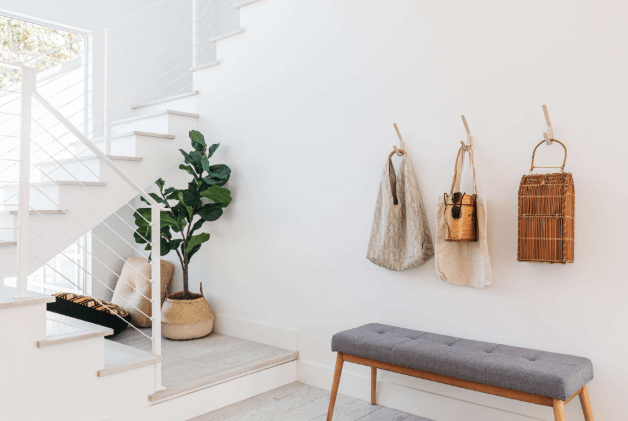
Entryway furniture should define clear zones for greeting, seating, and storage without obstructing flow. A slim console paired with a compact storage bench anchors a wall while preserving corridor width. Modular hooks and concealed shoe storage keep clutter out of sight. Texture and restrained color contrast create tactility, guiding movement through calm, proportional lines. The result is a practical, welcoming anchor that invites further considerations on layout details and finishing touches.
What a Functional Entryway Needs to Do
A functional entryway prioritizes organization, accessibility, and flow.
It defines zones for coats, footwear, and everyday essentials, supporting quick, intentional movements.
Creative storage is essential, concealing clutter while preserving accessibility.
The design enhances user flow, guiding hands to hooks, benches, and trays without hesitation.
Materials, scale, and return paths align with a calm, independent mood, inviting freedom in daily rituals.
Compact Console Sets That Maximize Traffic Flow
Compact console sets are analyzed for their impact on corridor traffic and switch zones, prioritizing slender profiles, accessible surface area, and unobtrusive storage. They emphasize proportional scale, clean lines, and deliberate placement to support movement while maintaining visual calm. A compact console facilitates traffic flow, anchors entry activity, and offers versatile surface space without overwhelming the floor plan. concise, deliberate, freedom-friendly design.
Storage Benches and Hooks for Everyday Clutter Control
Storage benches and wall hooks address everyday clutter by combining seating with functional storage and accessible hanging space. In contemporary entryways, storage benches provide concealed shoe and accessory stowage, while hooks clutter offer rapid organization for coats, bags, and keys. The design emphasizes clean lines, durable finishes, and modular options that adapt to traffic flow, enhancing everyday freedom and visual calm.
Zoning and Textures to Create a Welcoming, Organized Entryway
Entering the entryway with a defined zoning plan and varied textures clarifies function while inviting touch. Zoning textures create distinct zones for seating, storage, and greeting, enabling fluid navigation. A restrained palette and tactile materials emphasize welcoming organization without rigidity. Subtle contrasts—matters of scale, fiber, and finish—enhance texture while maintaining calm. The result: purposeful, liberating entryway clarity.
Frequently Asked Questions
How Do I Choose the Right Rug for an Entryway?
A rug should balance durability and comfort; the designer notes how to pick durable fibers, prioritizing stain resistance and wear. Why pile height matters: low profiles suit entrances, while medium may hide traffic and still feel refined, freedom-minded.
What Lighting Works Best in Small Entryways?
The question: small entryways benefit from soft white lighting and space saving fixtures, addressing hesitation about ambiance. This combination creates clarity, depth, and a welcoming mood, while maximizing floor area for free, functional movement.
See also: The Role of Technology in Smart Manufacturing
Can Mirrors Enhance a Narrow Foyer Space?
Mirrors enhance a narrow foyer by reflecting light and creating depth; their impact can visually widen the space. Strategically placed, they influence foyer height perception, making ceilings feel higher while maintaining a balanced, design-forward, freedom-minded aesthetic.
Which Materials Withstand High-Traffic Entry Areas?
Durable finishes and moisture resistance are essential for high-traffic entry areas. Designers favor porcelain, ceramic, and natural stone for floors; high-pressure laminates and solid-surface counters also withstand abuse. Proper sealing, moisture barriers, and easy-maintenance materials support longevity.
How Often Should I Rotate Hallway Décor Accents?
A clock ticks, signaling: how often hallway décor rotation schedule should be every 4–8 weeks for balanced impact. This cadence preserves freshness, respects function, and supports evolving choices while maintaining a design-forward, freedom-loving approach to corridor aesthetics.
Conclusion
In sum, the entryway achieves balance through clear zoning, slim profiles, and hidden storage. Like a quiet doorway to a lived-in home, its rhythm guides feet and attention with proportional lines and tactile restraint. The console, bench, hooks, and concealed compartments work in concert, ensuring flow remains uninterrupted even as daily rituals unfold. Subtle textures and restrained color whisper welcome, inviting occupants to pause, hang, sit, and step forward—drawn by design, not distraction.